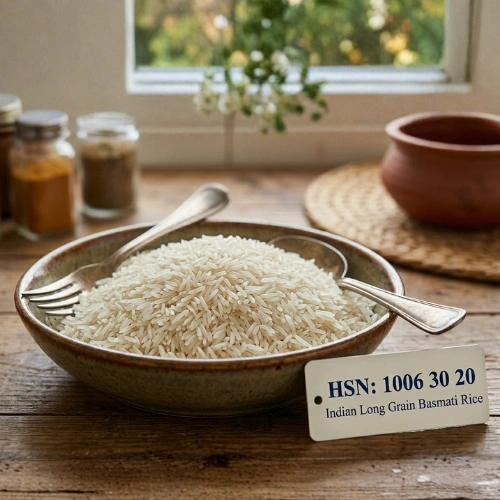
Description : Characterized by its extra-long slender grains, distinct aroma, and non-sticky texture after cooking. The grains elongate at least twice their original size.
Primary Uses : Premium Biryani, Pulao, and gourmet Middle Eastern and Indian cuisine. Preferred for festive occasions and luxury export.
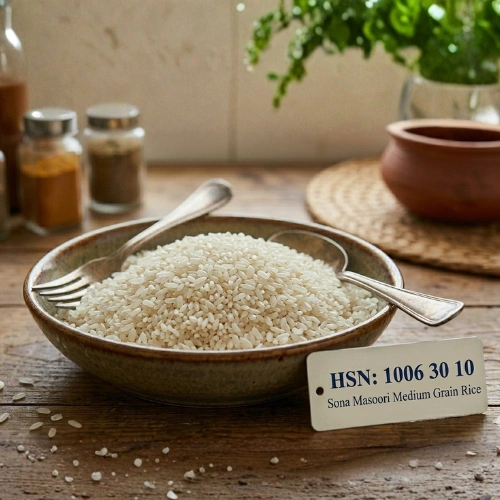
Description : A lightweight and aromatic medium-grain rice. It is a hybrid of the Sona and Mahsuri species, known for being low in starch.
Primary Uses : Daily consumption, South Indian meals, Pongal, and fried rice. Highly popular in Southern Indian households.
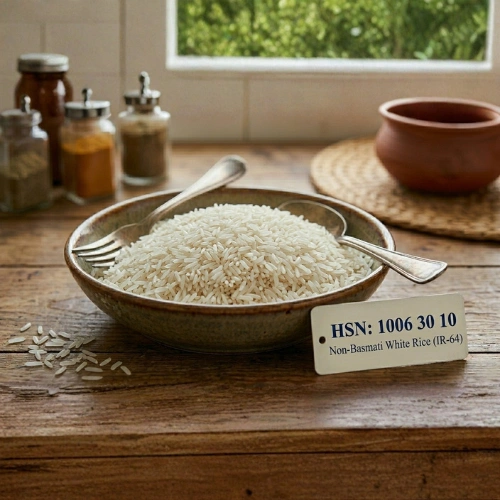
Description : A high-yielding long-grain variety. It is durable, cost-effective, and has a high nutritional value.
Primary Uses : Mass consumption, institutional catering, and major export to African and Southeast Asian markets.
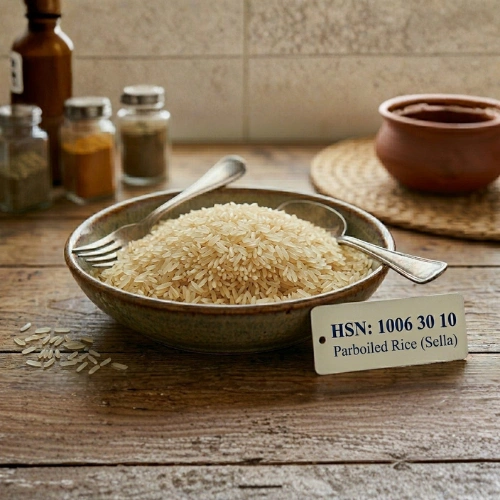
Description : Rice that has been partially boiled in the husk. This process drives nutrients into the grain and results in a firm, yellow-tinted kernel.
Primary Uses : Used for mass feeding programs, commercial biryanis, and Pulao where grains need to remain separate and firm under high heat.
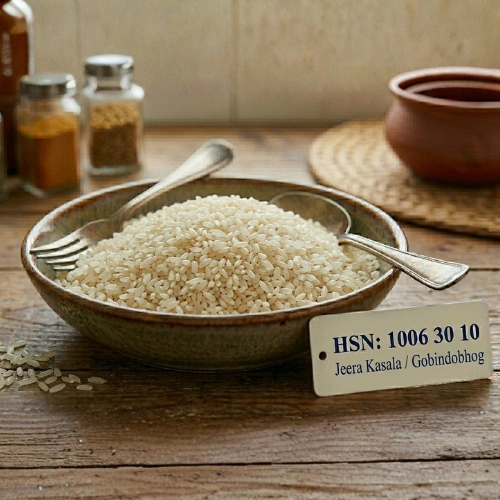
Description : Short, white, and buttery grains with a very strong aroma. Often referred to as ‘Prince of Rice’.
Primary Uses : Traditional Bengali cuisine, Payasam (Kheer), and temple offerings (Prasadam). Used as a flavorful alternative to Basmati.
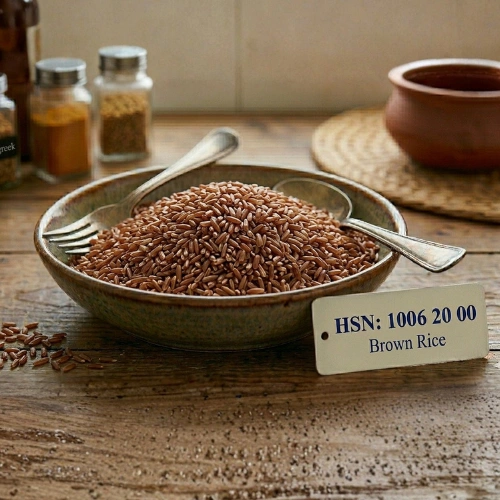
Description : Whole grain rice with the inedible outer husk removed, but the bran layer and germ intact. Rich in fiber and minerals.
Primary Uses : Health-conscious dietary plans, diabetic-friendly meals, and organic health food products.
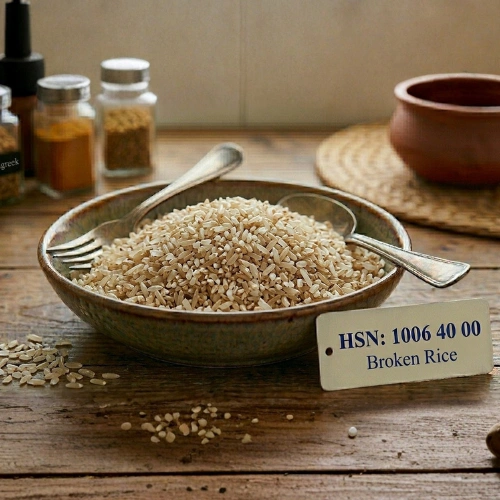
Description : Fragments of rice grains broken during the milling process. It has the same chemical composition as whole rice.
Primary Uses : Industrial use, animal feed, flour milling, and for making traditional rice-based snacks and porridge.